How I Think About Capital.
Seven years of real positions, real losses, and a framework I built from scratch.
I've been reading the market since I was ten.
Real account, real money, real consequences from the start. The losses taught me more than the wins.
My family opened a brokerage account for me when I was ten, and that's where it started. A few years later, my grandpa recommended I read The Changing World Order by Ray Dalio. Dalio breaks down centuries of history into repeating cycles of debt, power, and conflict, and once I saw that pattern, I couldn't unsee it. I started looking for cause and effect everywhere.
That's the foundation of my whole philosophy: markets aren't random, they're systems, and systems repeat. I started reading 10-Ks and earnings transcripts before I understood half the numbers, because that's where the real signal is, not in headlines. My framework starts with the macro and works down. Where are we in the debt cycle? What are the geopolitical pressures? Which sectors are structurally positioned to benefit, not because of a headline, but because of the forces driving it? Sector positioning comes second, individual names come last.
When U.S.-Iran tensions escalated, I worked through that framework end to end: macro pressure first, then which sectors stood to benefit, and I landed on cybersecurity. I picked up PANW and CRWD before it became the obvious trade, held through the volatility, and the thesis paid off. Not luck. A process, executed.
People treat index funds like the boring part of a portfolio, the thing you put money into when you don't have a better idea. I think that's backwards. SPY and RSP are the foundation everything else sits on top of, RSP especially, because it equal-weights the S&P 500 instead of letting a handful of mega-caps decide the whole return. QQQ gives me exposure to the companies actually building and funding the AI infrastructure everyone's talking about, the labs and the hardware behind them. SCHD is the slow compounder, dividend-paying, quality companies, sitting on DRIP so it reinvests itself without me touching it. Most of the money that moves through markets every day moves through funds like these, not through people picking individual names, and once you understand that, you start to see the market less as a casino and more as a machine with predictable plumbing.
The individual names are where I take the conviction I've built from following the macro and sector trends. Cybersecurity (PANW, CRWD) came from working through U.S.-Iran tensions and figuring out who benefits when geopolitical risk rises. Energy and infrastructure (CVX, KMI) are there because I think energy security stays relevant no matter what administration is in power. The rest are smaller positions where I'm either learning a new sector, betting on a specific catalyst, or just tracking a company I think is mispriced, some of these are small enough that they're really just tuition, a way to learn what it feels like to be wrong or right with real money on the line.
The goal: break into asset management as a data analyst, then work my way toward managing a fund. Every step is about building the foundation, skills, judgment, and a track record that speaks for itself.
Books that shaped how I think.

The Changing World Order
Key lesson: History moves in cycles. Great empires rise, peak, and decline following the same pattern of debt, internal conflict, and power transition. Once you see the template, you can never look at geopolitics or markets the same way again.

Principles
Key lesson: Build a system of principles and apply them ruthlessly and consistently. Pain plus reflection equals progress. The most successful people are those who make good decisions as a habit, not by luck, but by having a repeatable process.

The Psychology of Money
Key lesson: Wealth is built through behavior, not intelligence. Time in the market, compounding, and avoiding catastrophic mistakes matter far more than picking the right stocks. The biggest financial skill is getting out of your own way.

Trillions
Key lesson: Index funds and passive investing quietly rewrote the rules of finance. Understanding how the majority of capital actually moves, not through active stock pickers but through passive flows, is essential to understanding modern markets.

Shoe Dog
Key lesson: Building something real requires irrational commitment. Nike nearly died a dozen times. What kept it alive wasn't a perfect plan. It was obsession, adaptability, and people who believed in the mission before there was proof it would work.

Think and Grow Rich
Key lesson: Desire, belief, and persistence are prerequisites for any outcome worth having. The clearer and more specific your goal, the more your mind works to find paths toward it, even when you're not consciously thinking about it.
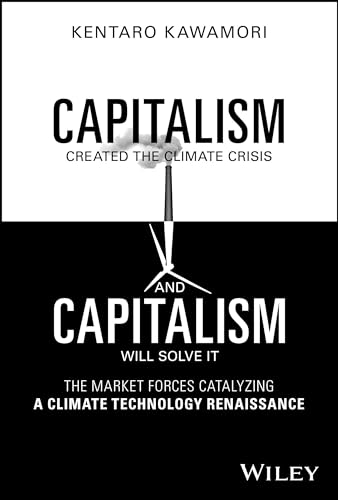
Capitalism Created the Climate Crisis and Capitalism Will Solve It
Key lesson: Market incentives, properly aligned, are more powerful than regulation alone. The same system that created the problem can be redirected to solve it if the right capital flows toward the right innovations at the right time.